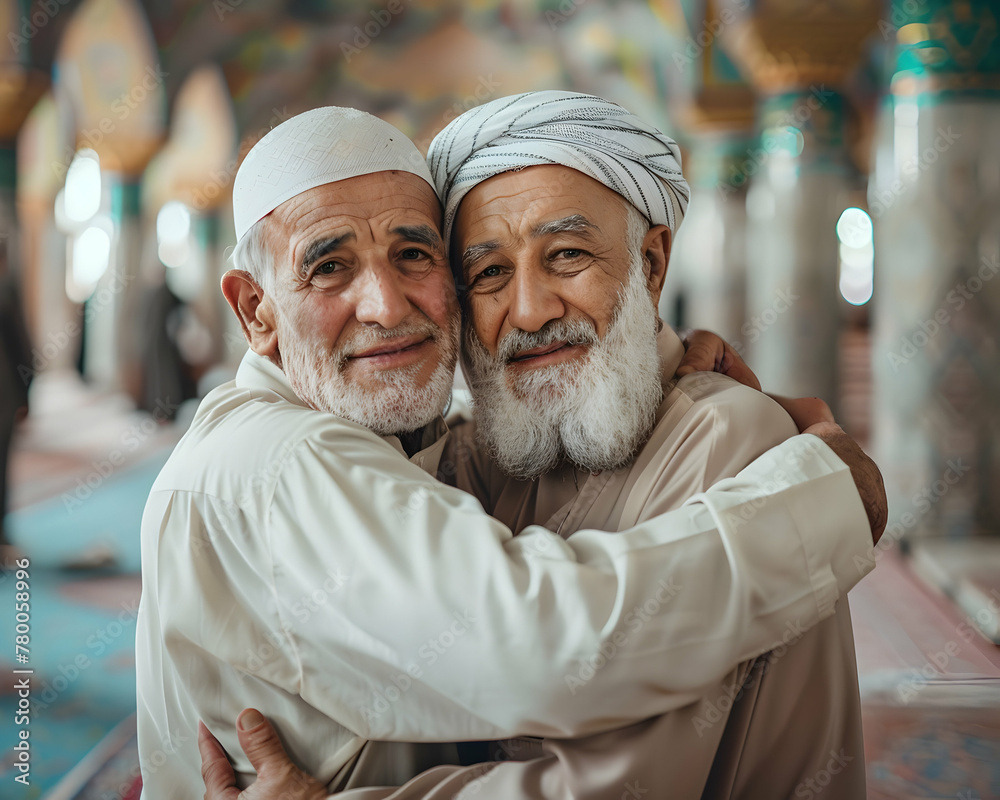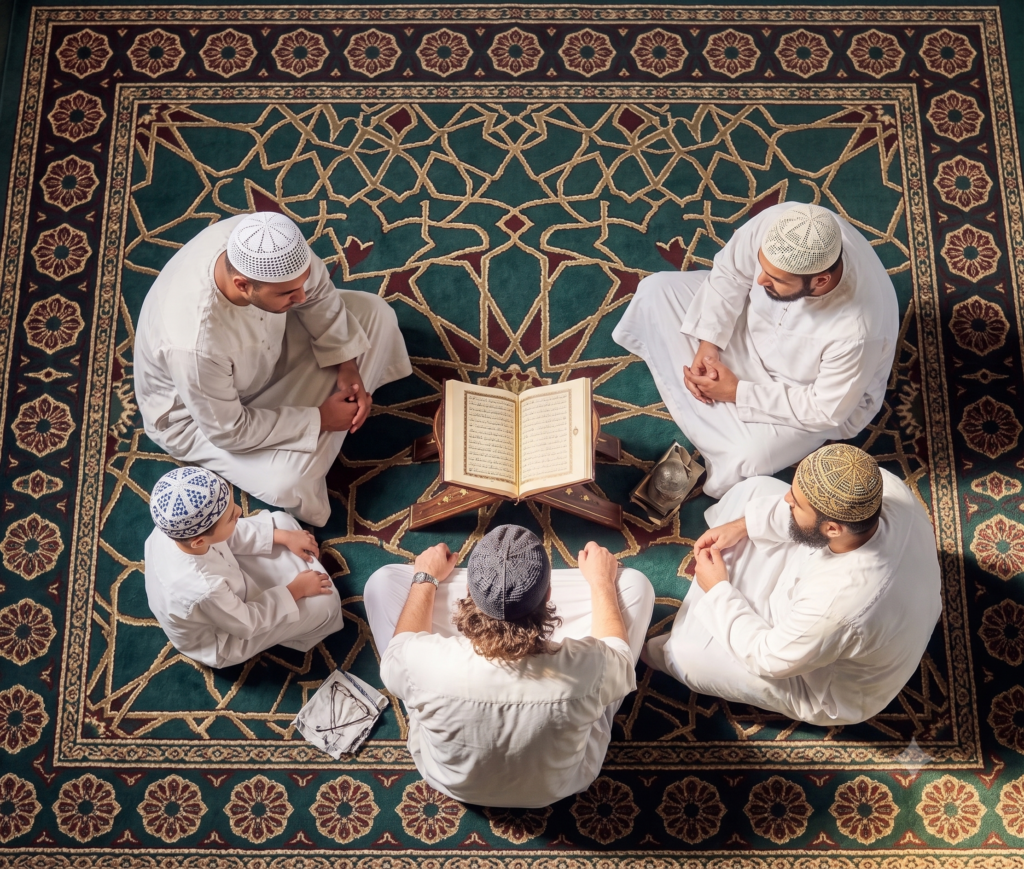
In Islam, social life is deeply integrated with religious practice and community responsibility. It emphasizes strong family ties, community solidarity, and ethical interactions. Social gatherings and activities are encouraged, provided they remain within permissible (halal) boundaries

Social Matters in Islam
1. Good Manners and Behavior
Islam teaches that good character is essential for a believer.
Social interactions are governed by ethical guidelines, including speaking gently, respecting privacy, and smiling.
📖 Allah says:
“Worship none but Allah; be kind to parents, relatives, orphans and the needy; speak kindly to people;…” (Surah Al-Baqarah 2:83)
✅ Always speak kindly and truthfully.
✅ Avoid lying, backbiting, and gossip. (Surah Al-Hujurat 49:12)
✅ Be patient, forgiving, and respectful to others.
2. Respecting Parents and Family
The family unit is considered the foundation of society, and Islam places a heavy emphasis on honoring parents, caring for relatives, and maintaining strong marital bonds .
📖 Allah says:
“And We have enjoined upon man [care] for his parents. His mother carried him, [increasing her] in weakness upon weakness…” (Surah Luqman 31:14)
✅ Obey your parents (unless they ask you to disobey Allah).
✅ Be kind to relatives and maintain family ties. (Surah An-Nisa 4:36)
3. Brotherhood and Unity in Islam
Muslims are encouraged to build strong relationships based on mutual love for the faith. The concept of Ummah (global community) transcends race and geography.
All Muslims are brothers and sisters in faith, regardless of race, nationality, or background.
📖 Allah says:
“Indeed, the believers are but brothers, so make peace between your brothers.” (Surah Al-Hujurat 49:10)
📖 The Prophet ﷺ said:
“A Muslim is the brother of another Muslim. He should not oppress him nor should he hand him over to an oppressor..” (Bukhari, 2442; Muslim, 2580)
✅ Greet others with ‘Assalamu Alaikum’ (peace be upon you).
✅ Help and support fellow Muslims and non-Muslims in need.
✅ Avoid racism and discrimination. (Surah Al-Hujurat 49:13)
4. Helping Others and Charity
Helping the poor and needy is an essential part of Islam. Giving to charity (Zakat) and helping the poor, orphans, and the oppressed are fundamental pillars of Islamic social justice
📖 Allah says:
“And they give food, in spite of love for it, to the needy, the orphan, and the captive.” (Surah Al-Insan 76:8)
✅ Give Sadaqah (voluntary charity) to help others.
✅ Support orphans, widows, and those in difficulty.
✅ Be generous and kind in your community.
5. Dealing with Non-Muslims
Islam teaches justice, kindness, and respect toward non-Muslims.
📖 Allah says:
“Allah does not forbid you from being kind and just to those who have not fought you because of your religion.” (Surah Al-Mumtahanah 60:8)
✅ Treat non-Muslims with kindness and fairness.
✅ Respect their rights and live peacefully with them.
✅ Invite others to Islam with wisdom and good manners. (Surah An-Nahl 16:125)
6. Islamic Guidelines for Interaction Between Men and Women
In Islam, interaction between men and women who are not mahram (i.e., marriageable to one another) is generally permitted when there is a legitimate need or benefit, but it is regulated by principles intended to prevent sexual misconduct, temptation, and inappropriate intimacy.
- ✅ Lowering the Gaze: Both men and women are commanded to guard their modesty and lower their gaze to avoid prolonged or lustful staring at one another.
- ✅ Modest Dress and Speech: Women and men must observe the proper standards of modest attire (hijab and general covering of the awrah). Speech should remain direct, businesslike, and professional, avoiding any softened, playful, or flirtatious tones.
- ✅ Prohibition of Seclusion (Khalwah): An unrelated man and woman are strictly forbidden from being alone together in a private, enclosed space where they are hidden from public view.
- ✅ No Casual Physical Contact: Men who are not close related to women (Mahram) generally do not engage in physical touch, such as shaking hands, hugging, or casual contact, as a preventative measure to preserve chastity.
- ✅ Purpose and Necessity: Interactions should be purposeful, public, and limited to legitimate needs such as work, education, trade, medical care, or answering essential questions. Casual, unstructured personal friendships between non-mahram individuals are discouraged because they frequently lead outside these protective boundaries.
Final Advice for a New Muslim
✅ Social Advices:
-
Be kind, respectful, and helpful to everyone.
-
Maintain strong family ties and friendships.
-
Avoid gossip, backbiting, and bad company.
Islam provides a balanced way of life that benefits both individuals and society. Would you like help understanding any specific topic? 😊