Ramadan is the ninth month of the Islamic lunar calendar and the holiest month in Islam. It commemorates the period when the Qur’an was first revealed to the Prophet Muhammad. The month is primarily known for the practice of daily fasting from dawn to sunset.
Fasting during Ramadan (Sawm) is one of the Five Pillars of Islam.
Fasting during Ramadan as a new Muslim may feel challenging at first, but with proper preparation and understanding, you can successfully observe it. Here’s a step-by-step guide to help you:
1. Understand the Purpose of Ramadan Fasting
-
Fasting in Ramadan is an obligation for all adult Muslims (Qur’an 2:183).
-
It teaches self-discipline, patience, gratitude, and spiritual growth.
-
The goal is to gain closeness to Allah through fasting, prayer, and good deeds.
- Abstention: Eligible Muslims refrain from eating, drinking (including water), smoking, and sexual relations from the crack of dawn until dusk.
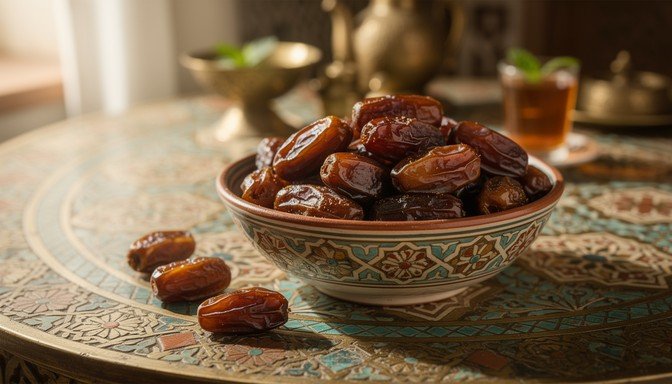
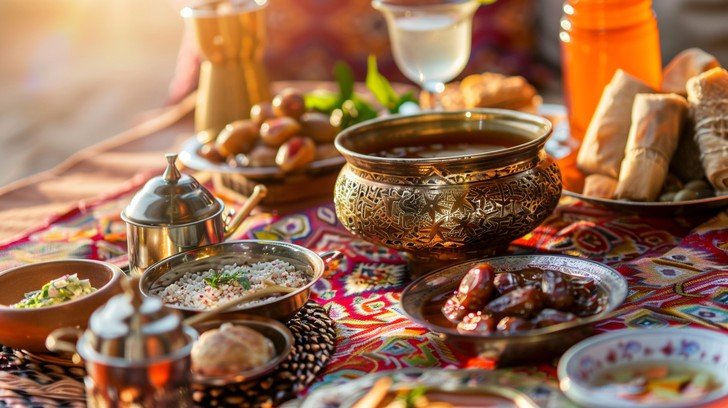
- Meals: Believers wake up before dawn for a pre-fast meal called Suhoor. At sunset, the fast is broken with a meal known as Iftar, which is traditionally started by eating dates and drinking water.
- Exceptions: Fasting is not required for those who are sick, elderly, traveling, or for women who are pregnant, nursing, or menstruating.
2. Learn the Basics of Fasting
✅ What is Fasting?
-
From dawn (Fajr) until sunset (Maghrib), you must avoid food, drink, and sexual relations.
-
It’s also a time to avoid bad habits (smoking, lying, gossiping, anger, etc.).
-
At sunset, you break your fast (Iftar).
🚫 Who is Excused from Fasting?
-
Children under puberty, the sick, travelers, pregnant/breastfeeding women, elderly, or menstruating women.
3. Prepare Before Ramadan Starts
-
Adjust your schedule: Start eating meals earlier to get used to Suhoor (pre-dawn meal) and Iftar.
-
Gradually reduce caffeine & snacking: This helps your body adapt.
-
Increase your prayers: Pray five daily prayers (Obligatory) or more (Sunnah).
-
Read about Ramadan: Learn its rules & rewards (Qur’an & Hadith).
4. How to Fast Properly
🔹 Before Dawn (Suhoor)
-
Eat a healthy meal before Fajr (e.g., dates, oats, eggs, fruits, and plenty of water).
-
Make the intention (niyyah): Say in your heart that you are fasting for Allah.
🔹 During the Day
-
Avoid food, drink, sexual relations, smoking and bad habits.
-
Pray on time and try reading the Qur’an.
-
Rest if needed but stay productive.
🔹 Breaking Fast (Iftar)
-
Break fast immediately at sunset (Maghrib) with dates & water (Sunnah).
-
Pray Maghrib prayer, then eat a balanced meal.
5. Focus on Worship & Good Deeds
-
Pray all five prayers on time.
-
Read the Qur’an daily.
-
Make dua (supplication) for yourself and others.
-
Give charity and help those in need.
-
Avoid arguing, backbiting, or distractions.
6. Stay Healthy While Fasting
✅ Eat nutritious foods (proteins, fruits, vegetables, slow-digesting carbs).
✅ Drink plenty of water (before & after fasting).
✅ Get enough sleep (adjust your routine).
✅ Avoid overeating at Iftar.
7. If You Accidentally Eat or Drink
-
If you forget and eat/drink by mistake, continue fasting—it doesn’t break your fast! (Hadith: Prophet ﷺ said “Whoever forgets he is fasting and eats or drinks , let him complete his fast for it is Allah Who has fed him and given him to drink.”).Al-Bukhari (6669) and Muslim (1155)
-
If you intentionally break your fast for a valid excuse , you must make it up later or give charity (if you can’t fast).
8. Seek Support & Community
-
Visit a mosque: Join Taraweeh (night prayers) and break fast with other Muslims.
-
Ask for guidance: If unsure, ask a local imam or a Muslim friend.
-
Stay positive: Fasting gets easier with time!
9. When Does It Occur?
10. The Celebration and Zakat al fitr
Zakat al-Fitr
Zakat al-Fitr is a charitable offering given at the end of Ramadan, before the Eid prayer. It is given as a specific amount of staple food, such as dates, wheat, rice, or other common food, rather than money. Its purpose is to help those in need celebrate Eid and to purify the fasting person from shortcomings.
Final Words
🌙 Ramadan is a beautiful journey of faith! Don’t worry if it feels tough at first—Allah sees your effort. May your first Ramadan be full of blessings and ease!
Would you like more specific guidance on any part? 😊